The Real Cost of Poor Financial Habits
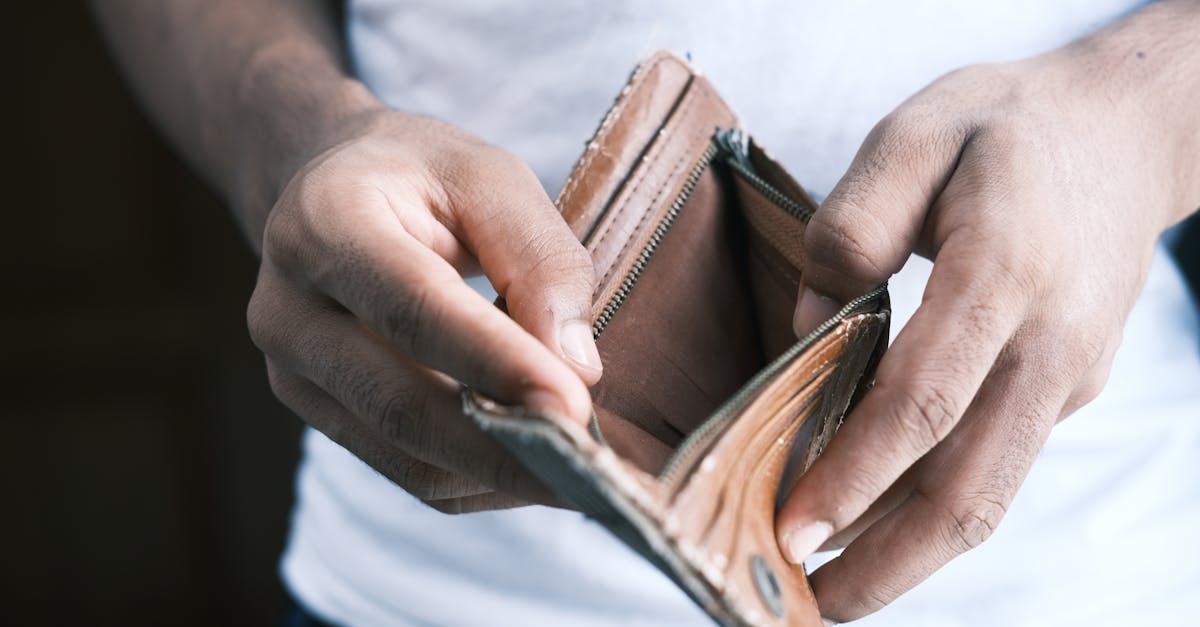
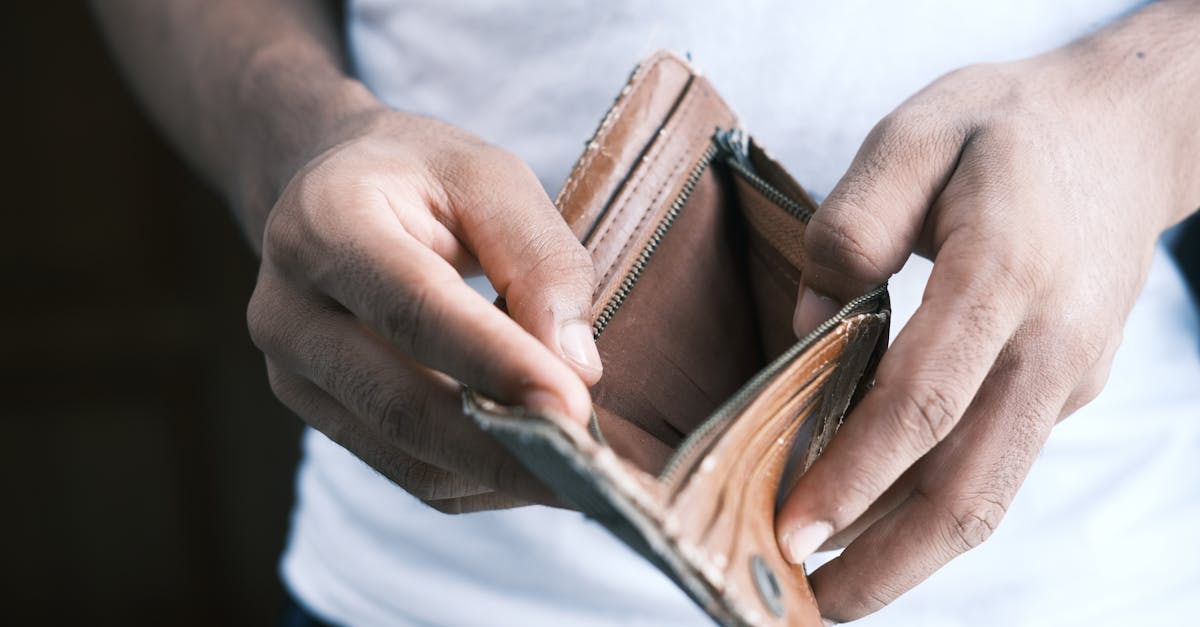
Have you ever looked at your bank account at the end of the month and wondered where all your money went? It is a sinking feeling, right? We often blame the economy or our jobs, but the truth is usually much closer to home. Our financial health is essentially the sum of our daily habits. When we let small, careless choices accumulate, they turn into a massive burden that weighs down our future. It is not just about the money you spend; it is about the freedom you trade away one purchase at a time.
The Silent Thief: Understanding Lifestyle Creep
Imagine you get a raise at work. The first thing most people do is upgrade their apartment, buy a new car, or eat out at pricier restaurants. This is lifestyle creep. It is a slow, insidious process where your expenses rise to meet your income, leaving you exactly where you started. You are running on a treadmill that keeps getting faster, but you are not actually moving toward any financial goal. You have to ask yourself, are you living better, or are you just paying for the appearance of success?
Emotional Spending and the Dopamine Trap
We have all been there: a long day at the office leaves you feeling drained, so you treat yourself to some online shopping. That purchase gives you a tiny hit of dopamine. For a few minutes, you feel great. But then, the item arrives, the excitement fades, and you are left with a credit card bill that lasts much longer than that momentary spark of joy. Using retail therapy to fix internal problems is like putting a bandaid on a broken leg. It just does not work.
The Convenience Tax: What You Pay for Instant Gratification
We live in an era of instant delivery and prepackaged meals. While convenience is great, it comes with a hidden tax. Paying five dollars for a coffee every single morning or ordering takeout three times a week might seem small in the moment. However, when you calculate those numbers over a year, you are often looking at thousands of dollars. You are essentially paying a premium for not planning ahead. Is that convenience really worth the vacation you could have taken with that money?
The Snowball Effect: How Debt Compounds Over Time
Debt is like a snowball rolling down a hill; it starts small, but it picks up speed and size until it is an avalanche. High interest credit card debt is the worst offender. When you only pay the minimum, the interest keeps stacking up. You end up paying two or three times the original price of the things you bought. It is a cycle that keeps you working to pay off the past rather than building your future.
Opportunity Cost: The Dreams You Cannot Afford
Every dollar you spend on something you do not need is a dollar you cannot invest in yourself. This is what economists call opportunity cost. If you spend money on things that lose value, you lose the chance to put that money into assets that could grow over time. Your money is a soldier. If you send your soldiers into a losing battle, you cannot expect to win the war for your financial independence.
The High Price of Financial Illiteracy
Many of us were never taught how to manage money in school. We figure it out by trial and error, which is an incredibly expensive way to learn. Not understanding taxes, compound interest, or how to read a credit score is like playing a game without knowing the rules. You are bound to lose. Taking the time to read one book on personal finance could save you more money than any raise you get this year.
The Physical and Mental Health Toll of Financial Stress
Money issues do not stay in your bank account. They seep into your relationships, your sleep patterns, and your physical health. Chronic stress from worrying about bills increases cortisol levels, which is linked to everything from heart disease to anxiety. Your financial habits are not just about your bank balance; they are a fundamental pillar of your overall well being.
The Danger of Ignoring Small Savings
There is a dangerous myth that saving money is only for people with high incomes. This is simply not true. It is not about how much you make; it is about how much you keep. Even tiny amounts saved consistently can grow into a significant buffer. When you ignore the small savings, you are leaving your back door wide open to unexpected expenses.
Why Budgeting Is Not a Cage but a Compass
People often hate the word budget because they think it restricts them. Actually, a budget is the opposite of a restriction. It is a roadmap. When you tell your money where to go instead of wondering where it went, you gain complete control. A budget gives you permission to spend on the things you love while cutting out the waste that keeps you broke.
The Safety Net: Why You Need an Emergency Fund
Life is unpredictable. A car repair, a medical bill, or a job loss can happen to anyone. Without an emergency fund, these hiccups turn into catastrophes that force you into high interest debt. Having three to six months of expenses tucked away is not just about money; it is about peace of mind. It allows you to sleep at night knowing that you are protected against the storms of life.
Common Investment Mistakes That Cost You Thousands
Trying to time the market or chasing trends is a fool’s game. Most people lose money because they panic during market dips or try to find the next big get rich quick stock. Investing should be boring. It should be slow, steady, and diversified. If your investment strategy feels like gambling, you are doing it wrong.
How to Break Bad Financial Habits for Good
The first step is awareness. Track every cent you spend for thirty days. You will be shocked at the patterns you see. Once you identify the leaks, automate your savings. If the money goes into an investment account before you can touch it, you will never miss it. Start by paying yourself first, then live on what is left.
The Long Term Reward of Disciplined Habits
The reward for good financial habits is not just a high number in your account. It is the ability to walk away from a toxic job, the ability to support your family, and the ability to live on your own terms. True wealth is the freedom to choose how you spend your time. By making small, disciplined changes today, you are buying your future self a gift that keeps on giving.
Conclusion: Taking Back Control of Your Wallet
The cost of poor financial habits is far higher than just the price of the items you buy. It is the cost of your time, your health, and your potential. The good news is that these habits are not permanent. You can shift your mindset starting today. Stop comparing yourself to others, start tracking your progress, and prioritize your future over instant gratification. You have the power to turn your financial ship around. It starts with one small, intentional choice, followed by another. Before you know it, you will be building a legacy rather than just paying for the past.
Frequently Asked Questions
1. Can I really change my financial situation if I have a low income?
Absolutely. While a higher income helps, financial success is primarily about your ratio of spending to saving. Even on a modest income, minimizing debt and living below your means can build a solid foundation.
2. How do I start a budget if I have never done one before?
Start simple. Use a basic spreadsheet or a free app to track your income and expenses for one month. Once you see where your money goes, assign every dollar a job, whether it is for bills, savings, or guilt free spending.
3. Is debt always a bad thing?
Not necessarily. Debt used to invest in an asset that grows in value, like a mortgage or business loan, can be a tool. However, consumer debt for depreciating assets like clothes or gadgets is a wealth killer.
4. How much should I aim to have in my emergency fund?
A good rule of thumb is to save three to six months of basic living expenses. Start by aiming for a one thousand dollar buffer to cover minor surprises, then build up from there as your situation allows.
5. Why is investing so important compared to just saving in a bank?
Inflation erodes the purchasing power of cash in a bank account. Investing allows your money to grow over time through compound interest, which is the only way to build significant long term wealth.