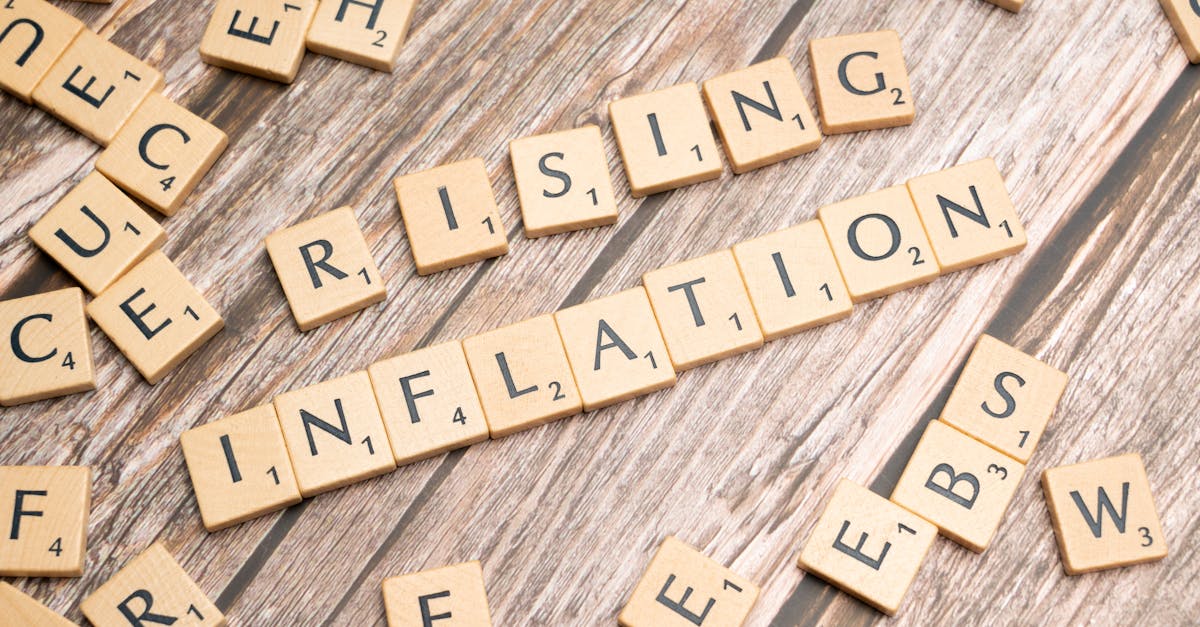
How to Avoid Lifestyle Inflation and Save More
Have you ever noticed that the more money you make, the faster it seems to disappear? It is like trying to hold onto water with your bare hands. Just when you get that raise or land a better job, you find yourself upgrading your car, moving to a pricier apartment, or eating out at fancy restaurants every other night. This phenomenon is known as lifestyle inflation, and it is the silent killer of wealth accumulation.
What Exactly Is Lifestyle Inflation?
Lifestyle inflation, or lifestyle creep, happens when your spending increases in tandem with your income. When you start earning more, your standard of living tends to rise to meet your new salary. Suddenly, the luxury items you once considered treats become your new baseline necessities. It is a slippery slope that leaves you feeling like you are constantly chasing financial stability, no matter how high your paycheck climbs.
The Psychology Behind Wanting More
Why do we do this? It is deeply rooted in our social nature. Humans are naturally comparison machines. We look at our neighbors, friends, and coworkers to gauge our success. When we see someone driving a nicer car, our brains tell us that we need an upgrade to stay relevant or successful. This social pressure is a powerful drug that keeps us trapped in a cycle of earning to spend rather than earning to save.
Why It Is a Major Threat to Your Financial Freedom
If you let lifestyle inflation dictate your habits, you will never truly get ahead. Think of your income as a bucket and your spending as a hole in the bottom. If you make the bucket bigger but also make the hole bigger, you still end up with no water. By inflating your lifestyle, you are effectively trading your future freedom for present comfort. The more you spend now, the longer you have to stay in the workforce later.
How to Spot the Early Warning Signs
The signs are often subtle. Are you buying lattes every day simply because you can afford them now? Do you find yourself justifying expensive purchases by saying you deserve them after a hard week? If your savings rate remains static despite a significant increase in your earnings, you are likely falling victim to creep. Pay attention to those moments where you rationalize spending money on things that do not add lasting value to your life.
Understanding the Diderot Effect
Named after the philosopher Denis Diderot, this effect describes how a single new purchase can lead to a spiral of consumption. Imagine you buy a new, modern sofa. Suddenly, your old rug looks worn out, your coffee table feels outdated, and the curtains no longer match the vibe. Before you know it, you are renovating your entire living room. Recognizing this effect is the first step toward breaking the chain reaction.
Proven Strategies to Keep Lifestyle Creep at Bay
Avoiding lifestyle inflation does not mean you have to live like a hermit. It just means being intentional. One of the best strategies is to practice the “pay yourself first” method. As soon as that paycheck hits your account, transfer a set percentage into your savings or investment accounts before you even look at your checking balance. Treat your savings like a nonnegotiable bill.
Automate Your Way to Wealth
Human willpower is finite. If you rely on your own decision to save at the end of the month, you will likely fail. By setting up automatic transfers, you remove the choice entirely. It is a “set it and forget it” system that ensures you are building your future wealth regardless of how tempting those online shopping carts might look.
The Power of Mindful Spending
Before you hit the buy button, practice the 48 hour rule. If you want something non essential, force yourself to wait two days before purchasing it. Often, the urge to buy passes once the initial emotional high fades. This simple pause creates a barrier between your emotions and your wallet, giving your logical brain time to catch up.
Mastering the Art of Delayed Gratification
Delayed gratification is a superpower. By waiting for what you want, you are not just saving money; you are training your brain to appreciate rewards more deeply. Consider an analogy: a seed planted in the ground needs time to grow. If you keep digging it up to see if it has sprouted, it will never become a tree. Your money works the same way. Give your investments time to compound without interrupting them for immediate desires.
Making Lifestyle Choices That Actually Matter
Ask yourself: what actually makes you happy? Often, we spend money on things that bring us little joy, like subscription services we never use or expensive dining experiences that blur together. Instead, choose to spend your money on experiences or items that align with your deepest values. If you value travel, spend on trips rather than a fancy car. Be ruthless about cutting out the filler so you can focus on the meaningful.
Redefining Success Beyond Materialism
We need to stop measuring success by the objects we own. True success is having the freedom to spend your time how you want, with whom you want. When you detach your self worth from your net worth or your belongings, you become immune to the external pressure to constantly upgrade your lifestyle. Success is the silence of a stress free bank account, not the noise of a new luxury brand.
Tracking Your Progress Without Obsessing
You do not need to track every penny, but you should track your big picture. Know your net worth and your savings rate. When you see your investments grow, it creates a new kind of dopamine hit. Watching your wealth accumulate becomes more addictive and rewarding than buying temporary possessions. Celebrate milestones like paying off debt or hitting a certain savings threshold to keep your motivation high.
Adjusting Your Financial Goals Over Time
Your life will change, and your goals should too. Maybe you move to a new city, or your family grows. That is fine. The point is not to stay stagnant, but to be intentional about your growth. When you experience a lifestyle upgrade, make sure it is a conscious decision rather than an accidental drift. If you decide to spend more, do it because it serves your long term goals, not because you are on autopilot.
Conclusion: Your Path Forward
Avoiding lifestyle inflation is one of the most effective ways to secure your financial future. It requires a shift in perspective, moving from the “I want it now” mindset to “what does this mean for my future” focus. By automating your savings, practicing mindfulness in your spending, and choosing experiences over clutter, you can build a life of freedom. Remember, the goal is not to be the richest person in the graveyard, but to live a life where you are not constantly worried about how you will pay for your next decade of existence. Take control of your habits today, and your future self will thank you for it.
Frequently Asked Questions
1. Does avoiding lifestyle inflation mean I cannot buy anything nice ever again?
Not at all. It means spending intentionally on things that bring you genuine, lasting value while cutting out impulsive, superficial upgrades that do not really improve your quality of life.
2. How do I start if I am already used to a high spending lifestyle?
Start small. Do not try to overhaul your life overnight. Pick one category, like dining out or streaming services, and reduce your spending there for one month. Use those savings to increase your monthly investment contributions.
3. How does inflation impact my savings plan?
Inflation erodes purchasing power over time, which is why saving in a basic checking account is not enough. You need to invest your savings in assets that beat inflation, like index funds or other diversified portfolios, to ensure your money grows faster than the cost of living.
4. Is it okay to reward myself after a big career win?
Yes, but do it strategically. Instead of permanent lifestyle upgrades like a more expensive apartment lease, opt for one time rewards that do not have ongoing costs. A nice dinner or a weekend trip is better than a monthly car payment that will tie up your cash flow for years.
5. How do I handle social pressure to spend money?
Be honest with your friends and family. You will be surprised to find that many of them are likely feeling the same pressure. Suggest low cost activities like hiking, game nights, or cooking dinner together at home rather than hitting expensive bars or clubs.